
Supplements can play an interesting role in the daily routines of folks focused on modern sobriety. Whether you’re starting out or have been on this path for some time, there are plenty of nutrients and herbal compounds people look to for extra support. Mixing smart nutrition choices, a supportive social life, and a few well-researched supplements can make the road a little smoother. I’ll walk you through the basics, what to look for, and some options that plenty of people are finding pretty helpful on today’s sobriety adventure.
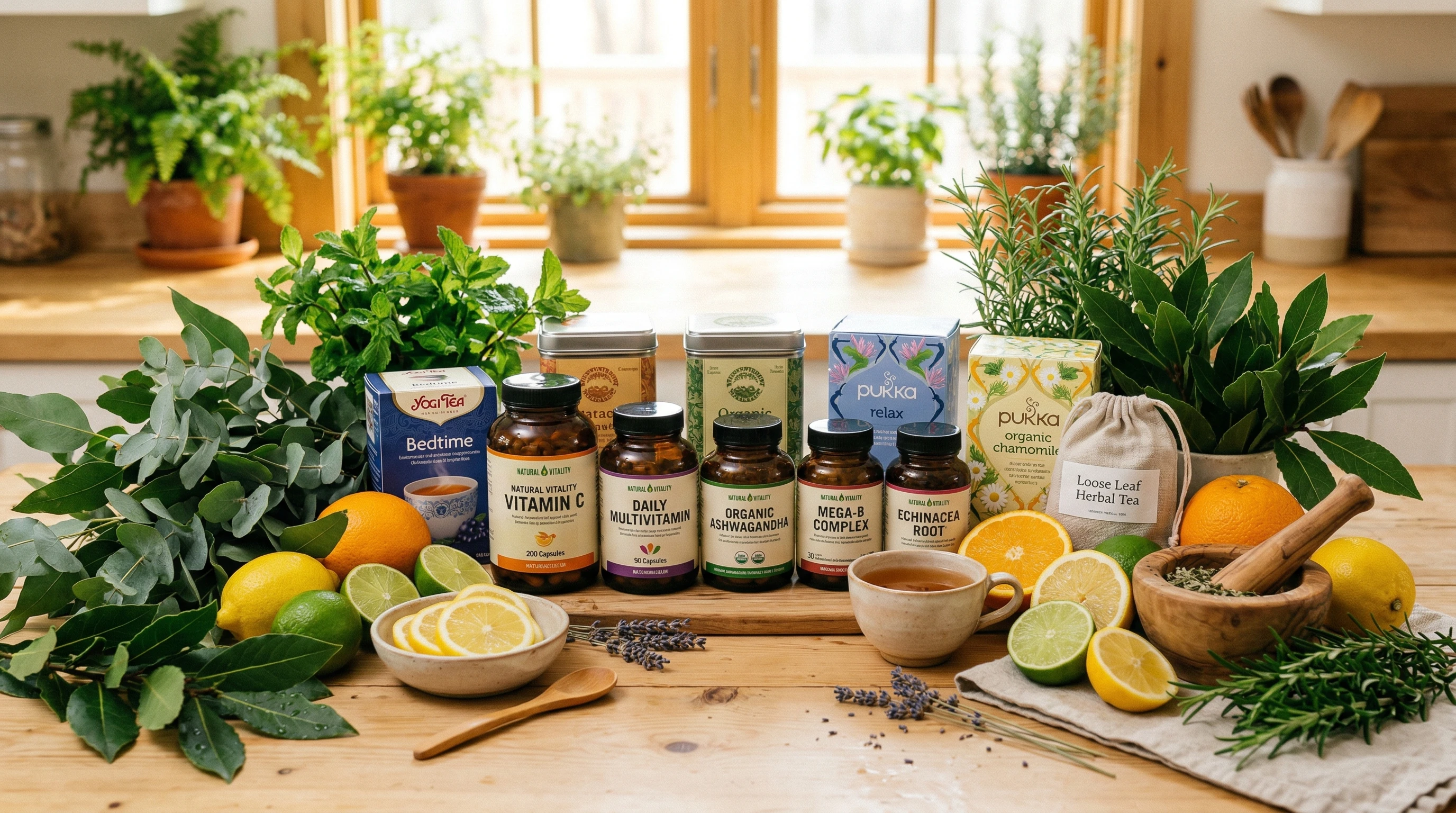
Why Supplements Are Getting Attention in Sobriety Support
Getting sober is challenging, but one area a lot of people overlook is nutritional wellness during recovery. The body and mind go through a lot with withdrawal and lifestyle changes. Some folks face sleep problems, mood swings, or cravings in early sobriety. Over time, deficiencies in key nutrients or neurotransmitter imbalances may show up, especially if drinking or using substances affected eating patterns or digestion in the past.
Many nutritionists, wellness coaches, and even some doctors now recommend considering certain supplements to fill gaps and help support overall well-being. Of course, supplements are just one piece of the puzzle. They’ll work best when used together with a balanced diet, regular exercise, therapy or counseling, and connection with a recovery community. Remember, every step you take to build up your nutritional foundation can help your body and mind adjust to sobriety in a positive way.
Foundational Supplements for Everyday Sobriety
If you’re curious where to start, these are some of the most common and widely used supplements in the recovery community:
- Multivitamins: These offer a baseline of vitamins and minerals that may be missing if your nutrition’s been spotty for a while. Taking a good multivitamin daily can help fill nutritional gaps and support overall health especially in the early days of sobriety.
- B Vitamins: Vitamin B deficiencies, especially B1 (thiamine), show up often in people recovering from heavy drinking. A good B complex can help with energy, mood, and brain function.
- Magnesium: This mineral helps calm nerves and support restful sleep. Some notice fewer muscle aches and less anxiety with regular magnesium supplementation.
- Omega3 Fatty Acids: Fish oil or algae oil is super useful for brain health, focus, and mood stability. These healthy fats also support heart and joint health.
Always check labels and choose supplements from brands that are transparent and get tested for purity and potency. I recommend consulting a healthcare provider first, especially if you take any meds or other supplements. A little planning goes a long way toward making good choices for your specific needs.
Herbs & Adaptogens That Might Help Balance Mind and Mood
Herbs and adaptogens are getting a lot of talk in the wellness space. While not miracle cures, some have decent research or a long history of traditional use for supporting mood, stress response, or sleep. Integrating herbs into your routine can support your emotional wellness as you reset your habits.
- Ashwagandha: This root is an adaptogen that helps the body deal with physical and emotional stress. Some folks say it takes the edge off anxious feelings during early sobriety.
- Milk Thistle: Known for supporting liver health, this herb is worth checking out if you’re wanting to help your body bounce back from alcohol-related stress.
- LTheanine: Found in green tea, this amino acid helps promote calm without feeling sleepy. It works nicely for those wanting to dial down anxiety or soothe jittery moments.
- Valerian Root & Passionflower: When sleep is tough, these two herbs are options for better rest. Try them as teas or supplements (but talk to your provider if you’re using other sleep meds).
Not every herb works the same for everyone, so a bit of trial and error is normal here. Start with low doses and one supplement at a time to figure out what’s helpful for you. Pay attention to how different herbs make you feel and adjust your approach if needed.
A QuickStart Guide to Integrating Supplements Into a Sober Lifestyle
Getting started with supplements in sobriety is worth a little thought and planning. Here’s how to make it smoother:
- Talk to a Professional: Bring up your interest in supplements with your doctor, nutritionist, or counselor. They can help choose safe, effective options for you.
- Start Slow: Add in one supplement at a time and give it a week or two to notice any effects or reactions. This approach helps you catch possible side effects or benefits quickly.
- Prioritize Sleep and Nutrition: Supplements work best with healthy sleep patterns and a diet rich in vegetables, whole grains, lean protein, and healthy fat. Sleeping well and eating a balanced diet will help your body use supplements more efficiently.
- Stay Consistent: Take your supplements daily, ideally around the same time, and follow label directions for best results. Consistency creates reliable routines and makes it easier to spot what works.
- Track Progress: Keep a simple journal or notes app to jot down changes in mood, sleep, or cravings after adding a new supplement. Seeing patterns emerge over time can help guide your choices.
Pairing these habits can really help you notice what makes a difference for your unique situation. Consistency, patience, and selfobservation are key to tracking your progress with supplements in recovery.
Potential Hurdles and Considerations With Supplement Use in Sobriety
There are a few things to keep in mind before stocking up your supplement shelf. Nothing substitutes talking to a healthcare professional about your plans. Here’s what I’ve seen come up:
- Interactions: Some supplements can mess with prescription meds or each other. For example, St. John’s Wort is famous for interacting with antidepressants. Always check with your doctor before combining supplements or adding them to your medication routine.
- Quality and Purity: Cheaper brands don’t always check out; contaminated supplements are a real problem. Look for independent testing (like USP or NSF seals) to reduce your risk.
- Overdoing It: Taking more than the recommended dose won’t help and could be risky, especially with things like niacin, iron, or fatsoluble vitamins (A, D, E, K). More isn’t always better where supplements are concerned.
- Liver Load: If you’ve got a history of liver issues, even some herbs (including kava, comfrey, or highdose vitamin A) might not be safe. Always mention liver history when getting recommendations.
Common Supplement Pitfalls to Watch Out For
Supplementing is not a “one pill fixes all” kind of deal. Here are a few things I always keep in mind:
- Buying everything you see in a TikTok ad can lead to a cluttered cabinet, big bills, and not much actual help. Simpler routines tend to be easier to stick to and show clearer results.
- If you have any serious health conditions (like diabetes, heart issues, or chronic GI problems), doublecheck everything with your doctor before getting started. Your safety comes first.
- Getting enough nutrients from food is almost always better, so think of supplements as a little safety net, not your main nutrition source. Focus on real food and use supplements to fill gaps, not replace meals.
Smart Supplement Shopping Tips
When you do go shopping, check out review sites or ask friends in recovery what’s worked for them. I also like browsing the NIH Office of Dietary Supplements or looking for brands with thirdparty lab results right on the website. Read labels closely and only buy from wellknown sources to minimize risks.
Ways Supplements Are Used in Real-World Recovery
It’s one thing to list supplements, but I’ve watched plenty of people try different combos as they figure out their own groove in sobriety. Here are a few common goals:
- Managing Cravings: People sometimes find amino acids like Lglutamine help decrease sugar or alcohol cravings by helping regulate blood sugar and brain chemistry. This can be especially useful in the first weeks of recovery.
- Boosting Mood: People report better mental clarity or steadier moods with B vitamins, vitamin D, and omega3s on board, especially during the rougher early months.
- Better Sleep: Magnesium and herbal teas like chamomile or valerian root are favorites for winding down when stress or insomnia pop up.
- Renewing Energy: Folks who struggled with fatigue often add iron (if needed), B12, or adaptogens (like rhodiola or ashwagandha) for more stamina and focus. These choices help support overall energy and resilience throughout recovery.
Just know that supplements are part of a “toolbox” along with habits like movement, mindfulness, therapy, and social support. A wellrounded approach is more effective than relying on supplements alone.
Frequently Asked Questions
Here are some questions that pop up a lot among people curious about using supplements as part of sobriety:
Question: Can supplements alone help me get and stay sober?
Answer: Supplements can support your body and mind, but they don’t replace therapy, a healthy lifestyle, or peer support. Consider them as extra support, not a solution on their own.
Question: How long should I try a supplement before knowing it works?
Answer: Many people notice small changes within a week or two, but some supplements (like omega3 fats or adaptogens) might take a month to really feel full effects. Keeping a daily log can help you spot changes over time.
Question: Are there any supplements that are dangerous in sobriety?
Answer: Anything that affects the liver, nervous system, or your mood should be checked with your provider, especially kava, St. John’s Wort, or highdose herbs. Skip any supplement that promises to “detox” or “cure” addiction, as those claims aren’t supported by science.
Supplements as One Piece of Modern Sobriety
Choosing the right supplements can be pretty handy for people in recovery, especially when used with a holistic approach. Focusing on nutrition, regular sleep, supportive habits, and personal growth helps maximize the benefits these supplements can offer. The path to sobriety is personal, and what works for one person might not work for another. Staying curious, being patient with yourself, and reaching out to healthcare professionals can make this adventure a little less bumpy.
Exploring supplements as part of your routine is worth a try, just remember to keep things simple, safe, and factchecked along the way. Keep tracking your progress, listening to your body, and reaching out for help when you need it. By building a solid foundation, you step up your chances for lasting sobriety and a healthier, happier you.