
Staying hydrated plays a really important role in recovery, whether you’re bouncing back from a tough workout, an illness, surgery, or even a long day in the sun. I find it easy to overlook how big of an impact water can have, but once you know what proper hydration actually does for recovery, it’s hard not to take it seriously. I’m going to break down why hydration matters so much during recovery, how it works on a science level, and what practical steps you can take to stay on top of your water game. Plus, we’ll get into some often overlooked causes of dehydration and share new tips for making hydration a natural part of every day while you recover.
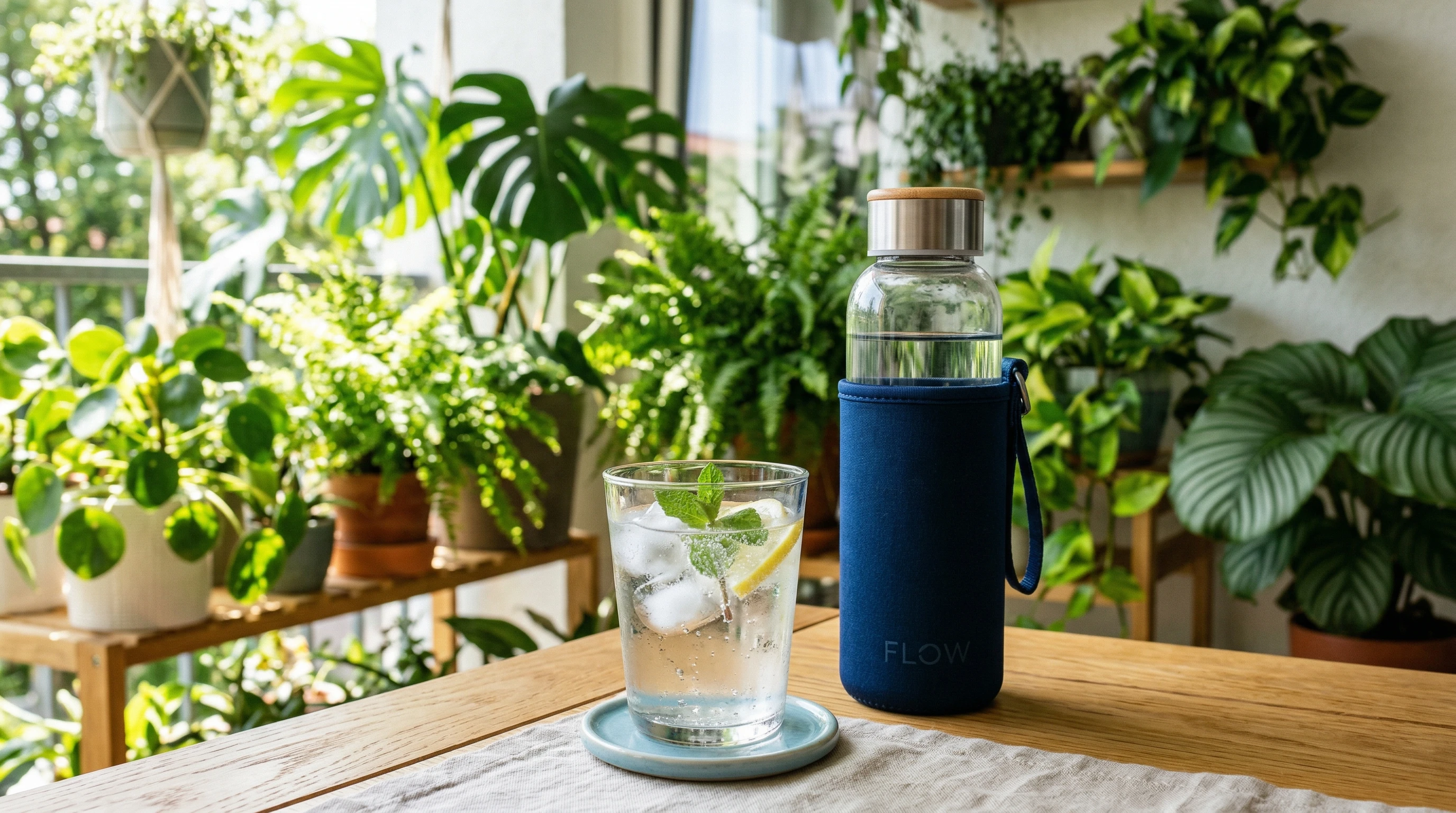
The Science Behind Hydration and Recovery
When your body goes through stress, whether from exercise, injury, or being sick, it needs more water than usual to bounce back. Water helps transport nutrients, flushes out toxins, and supports every chemical reaction in your body. During recovery, these processes are kicked into high gear. All those little jobs water handles are doubly important when you’re trying to heal faster and better.
Loss of fluids slows down cell repair, reduces energy production, and makes any type of recovery take longer than it should. Dehydration can lead to headaches, fatigue, and can even make pain feel more intense. If you’re healing from an injury or tough workout, dehydration means sore muscles stick around longer and your body takes more time to repair itself. Plus, recovery-related inflammation puts increased demand on fluids as your system works hard to get things back to normal.
Why Hydration Is Really Important After Exercise or Injury
Right after you exercise or get hurt, your body goes into repair mode. Muscles need protein and water to rebuild. Blood flow increases to the damaged area, and your immune system ramps up. If there’s not enough water in your system, those deliveries slow down and tissues become less resilient against fresh injuries.
For athletes or active folks, hydration is super important for muscle recovery. After sweating and losing fluids, topping up not only improves muscle recovery but also prevents cramping and dizziness. If you’re healing from injury or surgery, water helps flush away cell debris and supports new tissue growth. Plus, your joints and connective tissues also benefit since water keeps them cushioned and moving smoothly.
- Prevents further injury: Hydrated tissues are less likely to tear or strain again.
- Reduces inflammation: Fluids help remove byproducts that pile up during inflammation.
- Makes rehab exercises easier: Well lubricated joints reduce friction and discomfort during movement.
Signs That Your Body Needs More Water During Recovery
Feeling thirsty isn’t the only sign you need more fluids. Sometimes, your body gives off subtle signals that are easy to miss. I’ve noticed these signs can pop up more when recovering, since your normal intake might not match your increased needs:
- Dry mouth or chapped lips
- Muscle cramps or twitches
- Headaches and brain fog
- Dark-colored urine
- Slower healing or persistent fatigue
If you notice any of these, grabbing some water or a hydrating beverage is a smart move. Staying aware of these body cues, even when you’re not feeling thirsty, helps you stay ahead of small issues before they become bigger setbacks.
How Much Should You Drink During Recovery?
The standard “eight glasses a day” isn’t one size fits all, especially when your body is in recovery mode. Factors like age, body size, temperature, activity level, and even the type of injury or illness you have make a difference. Your hydration needs could be higher if you’re sweating a lot, fighting a fever, or losing fluids another way.
Aim to sip on water throughout the day, instead of chugging a bunch at once. For most healthy adults, somewhere between 2–3 liters (about 8–12 cups) of fluids a day works well, but you might need more during recovery. A really good guide is to check the color of your pee—pale yellow usually means you’re well hydrated. If your urine is much darker, it’s a sign you might need more water.
If you’re sweating a lot, dealing with fever, or losing fluids through vomiting or diarrhea, increasing your intake is really important. Oral rehydration solutions, which also contain electrolytes, can be helpful when fluid loss is higher than normal. Some people find herbal teas, diluted juice, or clear soup are easier to sip, especially if their appetite is lower during recovery.
Practical Tips for Boosting Hydration When Recovering
Plain water does the job, but getting creative can make staying hydrated feel less like a chore. Here are some things I like to use when I’m trying to up my intake (especially if I’m not in the mood for plain water):
- Add fruit slices like lemon, cucumber, or berries to your water for flavor
- Sip on broths, which are great for healing after surgery or during illness
- Try electrolyte drinks, especially after heavy sweating
- Eat waterrich foods like watermelon, oranges, or cucumber
- Set reminders on your phone if you tend to forget to drink
- Keep a water bottle close and take a sip every hour
Experiment with a few of these to see what sticks for you, since enjoying what you drink makes it a lot easier to get enough. Trying a variety of hydrating drinks, alternating between cool and room temperature fluids, or even switching up your drinking vessel can motivate you to sip more often.
Common Pitfalls That Can Hurt Hydration Levels
I find hydration easier to manage once I’m aware of common obstacles. Here’s what can sneakily make you dehydrated, especially when you’re focused on healing:
- Caffeine and alcohol: These can act as diuretics and pull water out of your body faster. A morning coffee or evening glass of wine is fine, but balance them with extra water.
- Highsalt foods: Salty snacks, canned soups, or processed meats make your kidneys work harder and can leave you feeling sluggish. Pair these foods with more fluids.
- Forgetting to drink when not thirsty: Thirst isn’t always a reliable signal during recovery, so set drinking goals or reminders.
- Overdoing it on sugary drinks: Sports drinks can help, but too much sugar can backfire and actually drag your energy down.
Keep an eye out for these pitfalls, especially if you tend to load up on coffee or processed foods. Little tweaks in your daily habits can lead to a big difference in how fast you feel better.
Hydration and Medication: What You Should Know
If you’re recovering from something that means you need to take medications, such as painkillers, antibiotics, or antiinflammatories, staying hydrated matters even more. Some medications make you more prone to dehydration, while others work better if you’re well hydrated.
Check the leaflet or ask your doctor or pharmacist if you’re not sure how your meds might affect your fluid needs. Taking pills with a full glass of water can also help avoid stomach upset and make sure they’re absorbed properly. Some medications may need to be dissolved or digested with plenty of fluids for the best results, so don’t skimp on the water here.
Advanced Tips: Going Beyond Just Water
Sometimes, plain water isn’t enough, especially if you’re losing electrolytes as well as fluids. I find these methods really helpful during active recovery or if you’re sweating a lot:
Electrolyte packets or drinks: These contain sodium, potassium, and sometimes magnesium and calcium. You can buy premixed drinks or simple packets to stir into your water. These are pretty handy if you’re feeling extratired or having muscle cramps.
Homemade hydration blends: Try mixing water with a small pinch of salt and a splash of juice. It’s often a cheaper and more customizable option compared to commercial drinks, and you stay in control of sugar levels. Herbal teas, such as peppermint or ginger, can also soothe digestion and help with hydration at the same time.
Hydrating Foods that Help Recovery
Drinks aren’t the only thing that keeps you hydrated. Some foods do a great job of topping up your fluid intake, while also giving you vitamins and minerals to help the healing process. Foods worth checking out include:
- Melons, like cantaloupe and watermelon
- Oranges, grapefruits, and other citrus fruits
- Cucumbers and celery
- Pineapple, berries, and peaches
- Soups and stews, especially clear broths
- Yogurt and smoothies
Adding these to your meals or snacks can give your hydration, and recovery, a helpful boost. Even a couple of servings of these foods throughout the day can help maintain steady fluid levels, especially if you’re tired of drinking glass after glass of water.
Frequently Asked Questions
There are a lot of small details when it comes to getting hydrated after injury or illness. Here are a few questions I hear pretty often:
Question: Does it matter what kind of water I drink?
Answer: Standard tap or filtered water works for most people. If you’re concerned about minerals or quality, filtered water or bottled spring water is totally fine. Fancy alkaline waters aren’t necessary for good hydration.
Question: What if I don’t feel thirsty during recovery?
Answer: Loss of thirst is common while healing or after surgery. Sip small amounts regularly instead of waiting for thirst to hit. Adding flavor with fruit or a splash of juice can help you drink more.
Question: Can I drink too much water?
Answer: It’s possible, but pretty unlikely for most people. Too much water can dilute sodium levels, leading to a rare condition called hyponatremia. Just keep hydration steady and don’t force gallons at once.
Question: Are sports drinks necessary for everyone recovering?
Answer: Sports drinks are helpful if you’re sweating a ton, have a fever, or are losing fluids from vomiting or diarrhea. For most people, plain water and hydrating foods are good enough.
Question: Can certain health conditions impact how much fluid I need?
Answer: Absolutely. Conditions like kidney or heart problems may limit how much fluid you should have. Always check in with your healthcare provider if you have a medical condition that affects fluid balance. Being aware of your unique needs helps you fine tune the best recovery plan for your body.
Takeaway on Hydration and Recovery
Hydration isn’t just another box on your recovery checklist. Water supports everything from basic cell repair and nutrient delivery to energy levels, pain relief, and immune function. Once you pay attention to your fluids, healing tends to feel easier, and way faster. For the best results, make hydration part of your daily routine using the tips above. Your body will thank you, and you’ll probably notice the difference the next time you need to recover from anything at all. Small, consistent acts like sipping water and enjoying hydrating foods really add up, making your recovery smoother and more comfortable.