
Eating well during sobriety does more than just fuel your body. It’s a real game-changer for your mood, energy, and overall outlook. As someone who’s supported a lot of folks navigating recovery, I’ve seen how certain foods can actually help with anxiety, mood swings, and even that sluggish feeling that sometimes pops up in early sobriety. Building an eating plan to support your emotional health isn’t about rigid diets or expensive health fads. It’s about small, simple changes that lift your spirits and help you stay on track.
Why Food Choices Matter in Sobriety
Nutrition and emotional health are way more connected than most people realize. When you stop drinking or using, your body and mind are both working overtime to adjust. During this time, your brain’s chemicals (like serotonin and dopamine, the feel-good ones) are rebalancing, and your system is repairing itself. The food you eat gives your body and mind the building blocks they need for this healing process.
There’s actually research showing that nutrition can impact mood and mental focus. Nutrient-rich foods help regulate blood sugar, calm nerves, and even support healthy sleep. These are three things that get thrown off a lot in early recovery. Building some new food habits gives your mood a steady foundation so you’re less likely to get thrown off by emotional ups and downs. Even better, focusing on nutrition can become a positive new routine to help replace old habits.
Key Nutrients for a Better Mood
Some nutrients play a bigger role in supporting emotional balance, especially during recovery. Working a few of these into your meals is pretty straightforward, and you don’t need fancy “superfoods” to do it either. Here are the ones I try to fit into my own meals when I want a little mental boost:
- Omega-3 Fatty Acids: Found in walnuts, flaxseed, chia, and fatty fish like salmon. These healthy fats are great for your brain. Studies link them to better mood and lower anxiety.
- B Vitamins: B vitamins (especially B6, B9/folate, and B12) help produce brain chemicals that influence mood and energy. Eggs, leafy greens, avocados, and beans are good sources.
- Magnesium: Low levels of magnesium can mean more stress and lower mood. Dark leafy greens, nuts, seeds, and whole grains are all pretty tasty ways to add magnesium to your day.
- Complex Carbohydrates: Foods like oats, brown rice, and sweet potatoes stabilize your blood sugar and give your brain slow, steady energy. This can definitely help with mood swings.
- Protein: Lean meats, beans, Greek yogurt, and tofu offer protein, which helps keep your mood steady by supplying the amino acids your brain needs for neurotransmitter production.
Foods That Support Emotional Balance in Recovery
So, what are some practical foods I recommend to people who want to boost their emotional wellbeing in sobriety? Here are specific foods you’ll find in my kitchen, even on stressful days:
- Salmon or Canned Sardines: Packed with omega-3s, eating these a couple of times a week supports your brain chemistry and can even help with “brain fog.” If you’re plant based, try ground flaxseed and walnuts instead.
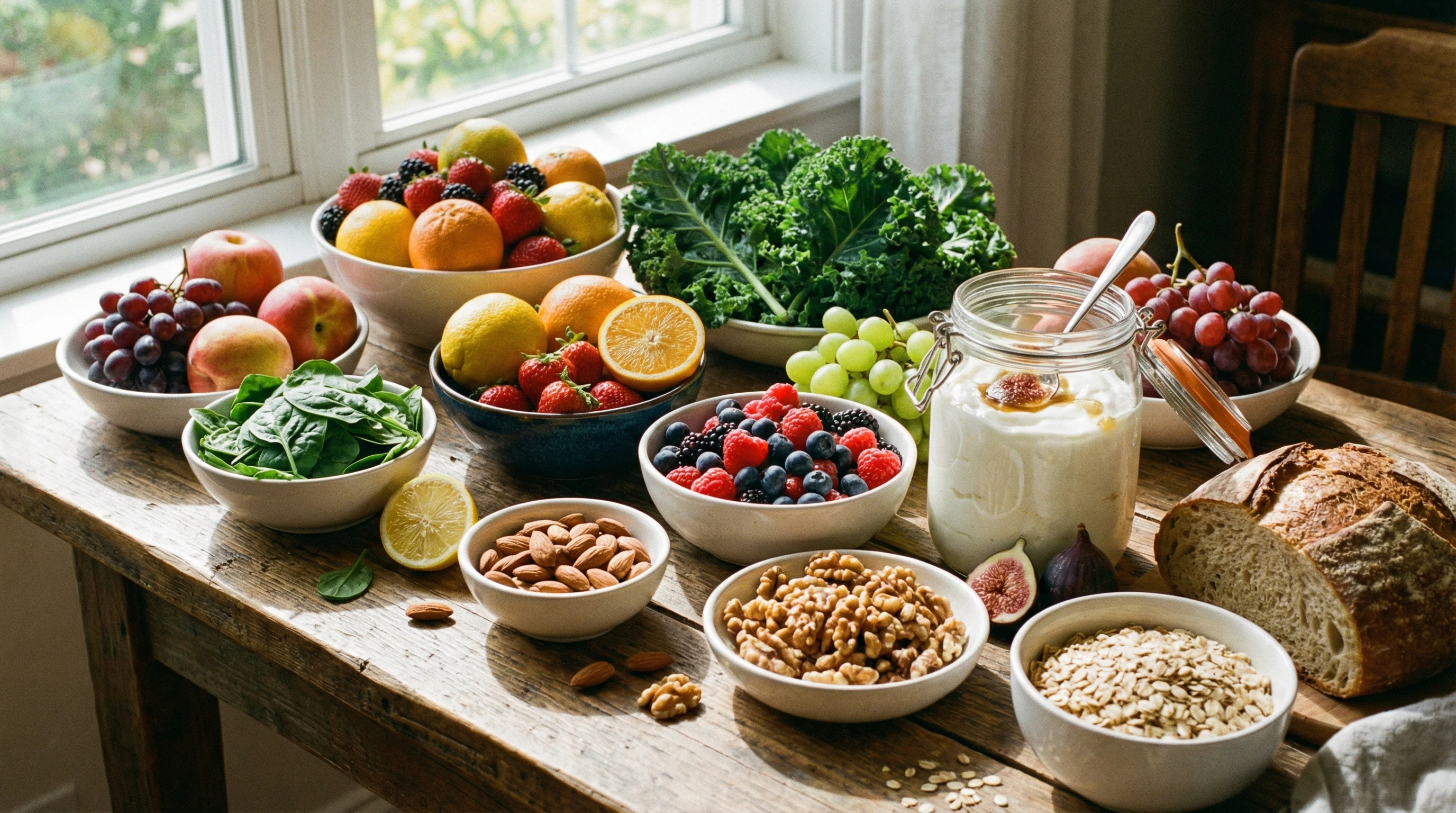
- Spinach and Kale: Leafy greens are loaded with magnesium and B vitamins that promote calm and focus. I toss a handful in scrambled eggs or smoothies just to make my mornings easier.
- Oats: Overnight oats, oatmeal, or oat bars all give you complex carbs that keep energy more stable. Super useful for avoiding the “hangry” drop that can make anyone feel cranky.
- Lentils and Beans: These are rich in both protein and fiber. They keep you full and stabilized, and they’re affordable enough for any grocery budget. Try adding them to salads, chili, or tacos.
- Avocado: The healthy fats in avocado lift both your mood and your energy. I’m a fan of avocado toast with a squeeze of lemon or scooped onto salads.
- Greek Yogurt: This has protein to keep blood sugars steady and probiotics to support gut health (believe it or not, your gut and brain are closely linked!).
- Berries: Blueberries, strawberries, and raspberries are high in antioxidants, which help your brain heal and boost your mood with natural sweetness. A handful with breakfast or as a snack works great.
Snacking Smarter to Support Emotional Health
Snacks can be a real lifeline during recovery, especially if you’re dealing with cravings or dips in energy. Instead of reaching for sugary options, I always recommend snacks that blend protein, fiber, and healthy fats. Here are some easy combos to keep your mood steady:
- Apple slices with almond butter
- Trail mix with walnuts, dark chocolate bits, and dried cranberries
- Wholegrain crackers with hummus
- Carrot sticks and guacamole
- Plain Greek yogurt topped with blueberries
There’s nothing wrong with the occasional treat. However, steady snacks help avoid crashes that can make irritability or anxiety worse. I often find that even planning snacks ahead of time brings some comfort and stability, especially when recovery feels challenging.
Foods That Can Drag Your Mood Down
Certain foods might feel comforting in the short run, but can play tricks on your emotional health in recovery. Here’s what I watch out for or try to keep as “once in a while” treats:
- Sugary sweets and sodas: They cause sudden spikes and drops in blood sugar, which can leave you anxious, jittery, or even sad once the sugar rush is gone.
- Highly processed foods: Chips, fast food, and packaged snacks are usually low in nutrients and high in things like salt or artificial flavors. They sometimes make it harder for your body to recover or keep your mood stable.
- Caffeine (in excess): Coffee and energy drinks can make anxiety or jitteriness worse if you’re already feeling tense, so I stick to one or two cups a day, max, or try herbal teas for a calmer alternative.
It’s also worth noting that everyone’s body reacts differently, so tracking your own reactions to various foods is key. This way, you can better spot which foods make you feel better or worse, and adjust your eating habits to suit your needs.
Hydration and Its Emotional Impact
Staying hydrated is easy to overlook when you’re focused on food, but even mild dehydration can make you feel tired or foggy. I aim for water or unsweetened teas throughout the day, and I keep a reusable water bottle within reach as a reminder. Flavored water with fresh fruit or herbs is a nice change when plain water feels boring. If you’re craving bubbles, try sparkling water—it can feel celebratory and is a healthier alternative to sweet sodas. Making hydration enjoyable is just as important as keeping food choices positive.
Small Steps for Everyday Food Balance
No one has to overhaul their eating habits overnight to see positive changes. I always suggest starting with small, practical steps, such as:
- Adding one fruit or veggie to each meal
- Switching one snack a day to something with more fiber or protein
- Preparing easy, batch-cooked meals like soups, chili, or grain bowls for the week
- Having balanced breakfasts to keep blood sugar stable (think scrambled eggs with spinach or oats with nuts and berries)
- Swapping soda or juice for water most days
Tracking your mood as you try new foods or routines (even in a quick phone note) can help you spot what works best for you. Everyone’s body responds a little differently, so tinkering is part of the process. If you find that a certain food consistently lifts your spirits or helps with clarity, make it a staple. On the flip side, if something leaves you feeling sluggish or irritable, consider cutting back.
How Food Choices Support the Recovery Community
I’ve noticed that group meals, potlucks, or even swapping recipes can really brighten up recovery meetings or sober get-togethers. Sharing food—especially nourishing options—helps build community, and gives everyone a boost. If you’re supporting a loved one in recovery, offering to cook a simple meal or prepare snacks together is one of the easiest ways to show you care. Sometimes, even organizing a group cooking session can spark creativity and foster more meaningful connections within the community, making the recovery adventure feel less lonely.
Common Questions About Food and Emotional Health in Sobriety
What if I have food allergies or dietary restrictions?
There are always alternatives. For example, if you’re avoiding dairy, opt for plantbased yogurts. If you’re glutenfree, try oats labeled glutenfree or use sweet potatoes and rice as your starches. It’s all about working with what feels good for your body.
How can I manage sugar cravings in sobriety?
Sugar cravings are really common in early recovery. I recommend going for naturally sweet foods like fruit or Greek yogurt, and keeping other snacks like nuts and trail mix around, so you don’t reach for candy out of convenience. Drinking water and getting enough sleep also helps cut down on cravings, since dehydration and fatigue can disguise themselves as hunger.
Are supplements like vitamins or protein powders helpful?
Whole foods usually work best, but sometimes doctors suggest supplements to fill in gaps. If you’re curious about trying something, talking to a healthcare provider makes sense so you can avoid wasting money or getting things you don’t need. Supplements might be helpful temporarily if you have special nutritional needs, but they shouldn’t replace meals built around whole foods. Always check in with your doctor first, just to play it safe.
Building Gentle Food Habits for a Brighter Sobriety
Choosing foods that support emotional health in sobriety means giving yourself grace and patience as you learn what feels good for your body. The right foods can’t “fix” tough days, but they really do make it easier to face each day feeling a little more balanced. Start with a few swaps, pay attention to how you feel, and don’t hesitate to share good meals with others in your recovery community. Small changes really add up, and food is one of the simplest ways to take care of both your mind and body. Remember, good nutrition is about progress, not perfection. Every positive choice is a step forward on your adventure toward emotional wellness in sobriety.